SPIDER-NOIR (2026) – Spider-Noir Spins a Stylish, Hard-Boiled Superhero Tale
Rating: ⭐⭐⭐
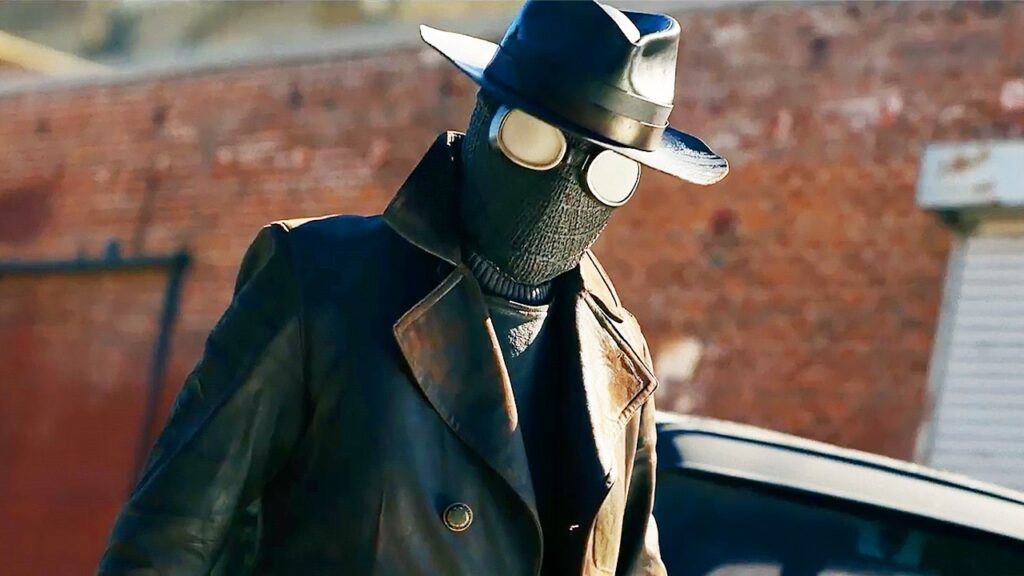
Casting Nicolas Cage as Spider-Man in this alternate-universe yarn is not merely inspired—it is the sort of deliciously odd decision that makes Spider-Noir feel immediately alive. We are accustomed to seeing Spider-Man as quick-witted, youthful, and buoyed by a restless idealism. Here, however, the hero is older, bruised by experience, and reluctant to answer the call. Set against the bleak uncertainty of the 1930s Great Depression, the series uses its period setting not as decorative wallpaper but as the moral weather of the story: every alley seems damp with regret, every shadow appears to conceal a debt, and every act of heroism feels hard-earned. Cage’s Ben Reilly is less a familiar web-slinger than a weary anti-hero—ageing, vulnerable, hard-boiled, and often unorthodox. He is emphatically not a Peter Parker clone, and that is precisely what makes him compelling.
The filmmakers deserve particular credit for committing so wholeheartedly to the classic noir vocabulary. Spider-Noir does not simply borrow the genre’s trench coats and rain-slicked streets; it understands the seductive grammar of noir itself. The interplay of shadows and mirror reflections, the skewed camera angles, the haunted rooms, the femmes fatales, and the oily villains all arrive with theatrical confidence. At its best, the series becomes a loving tribute to a filmmaking tradition whose appeal remains evergreen because it turns style into psychology. The world looks fractured because the people inside it are fractured too.
Cage is surrounded by a colourful supporting cast that gives the story both texture and momentum. Janet, his long-suffering yet highly capable assistant, is more than a convenient helper; she brings a grounded intelligence to a world crowded with cynics and criminals. Robbie, the freelance journalist friend played by Lamorne Morris, adds another lively thread, while Brendan Gleeson brings formidable weight to Finn, a ruthless mob boss who seems to have stepped straight out of a smoky backroom deal. As if this gallery of personalities were not enough to keep the pulse racing, the series also throws in a pair of rogue super-powered villains, allowing the show to indulge in spectacular battles without losing its bruised, street-level atmosphere.
The result is a series with the right tone, a cast of characters who resonate with the plot, and enough super-powered conflict to carry viewers briskly through its eight episodes. Still, Spider-Noir is not without its flaws. The narration occasionally circles its own ideas for too long, and there are moments when the pacing feels repetitive rather than hypnotic. A tighter edit—or perhaps a slightly denser plot—might have sharpened the journey and made its darker turns land with greater force.
That caveat aside, Spider-Noir is a welcome surprise. I have never been a devoted fan of superhero movies, and in recent years I have consciously avoided many of them, weary of overblown productions and needlessly convoluted plots. Yet this series proves that the comic-book universe still has room for invention when handled with wit, atmosphere, and conviction. It may also stand as one of Nicolas Cage’s best screen turns in recent years, a performance that reminds us how electrifying he can be when eccentricity, melancholy, and genre mischief are allowed to collide. Spider-Noir is a gem within its genre: stylish, moody, imperfect, but alive with enough personality to remind us that even the most familiar heroes can cast intriguing new shadows.