CAPE FEAR (2026) – A Prestige Miniseries That Turns Into a Glorious Mess
Rating: ⭐
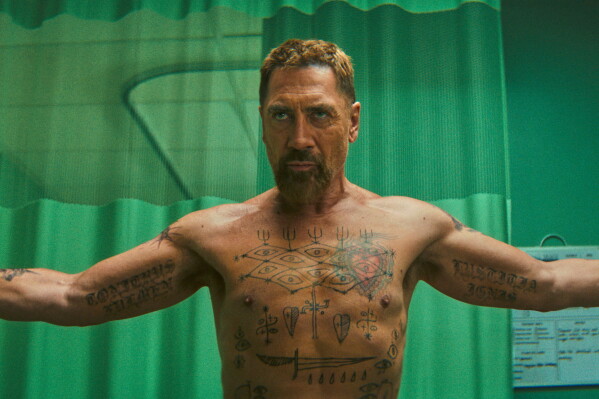
The long shadow of Cape Fear begins not on screen, but on the page. John D. MacDonald’s novel The Executioners was first adapted in 1962 as Cape Fear, with Gregory Peck embodying moral rectitude and Robert Mitchum supplying one of cinema’s great predatory grins. Though that film failed to ignite the box office, it earned lasting critical admiration and became influential enough to invite Martin Scorsese’s feverish 1991 remake, in which Robert De Niro and Nick Nolte helped transform the material into both a commercial hit and a critical talking point.
That pedigree made the arrival of the latest ten-episode television miniseries sound, at least in theory, like an event. The cast alone—Amy Adams, Patrick Wilson, and Javier Bardem—suggested prestige, while the presence of Martin Scorsese and Steven Spielberg among the executive producers seemed to promise a muscular, intelligent reimagining. Unfortunately, that promise collapses almost as soon as the series begins to stretch its premise beyond endurance. The central engine remains familiar: an attorney and his family are stalked, taunted, and terrorised by a vengeful ex-convict. Yet around that sturdy frame, the show piles on increasingly bizarre subplots, as if confusing narrative density with dramatic depth.
Rather than tightening the noose, the series keeps tossing in “shocking” revelations with the desperation of a magician emptying every pocket at once. Scene follows scene not with the elegant inevitability of suspense, but with the clatter of contrivance. Worse still, most of these revelations feel detachable: remove them, and the story would barely notice. The attorney’s children do not help matters either, functioning less like believable family members than like a two-person emergency siren designed to test the audience’s patience. Over nine episodes, this approach becomes less thrilling than exhausting. At times, it even tips into accidental comedy, largely because the characters are required to make decisions so foolish, repetitive, and self-defeating that one begins to suspect the plot is stalking them more effectively than the villain ever could.
The miniseries has a few minor consolations. Its use of the tense, atmospheric, and haunting score from Scorsese’s 1991 Cape Fear briefly summons the menace and elegance of the earlier film, like a ghost from a better production passing through the room. But the music can only do so much when the material beneath it is so dramatically thin. Javier Bardem is the other saving grace. Saddled with a poor script and ungainly narration, he nevertheless emerges as the one performer who seems to understand the shape of the menace the show is reaching for. Against all odds, he often appears to be the smartest and sanest presence in the series.
At the time of writing, one episode remains unaired, but it is difficult to imagine any finale capable of rescuing what the previous nine episodes have already squandered. A strong ending can sharpen a story; it cannot retroactively give shape to hours of narrative clutter. The tragedy here is not merely that this Cape Fear is bad, but that it arrives decorated with names—Spielberg, Scorsese—that once promised a certain level of standard. Instead, the series becomes another cautionary example of prestige branding used to dress up creative bankruptcy. Some reputations are powerful enough to lend a project credibility; this one mostly shows how easily credibility can be spent.