SUGAR: SEASON 2 (2026) – Finding Decency in the Dark: Sugar Season 2 is a Masterclass in Restraint
Rating: ⭐⭐⭐ 1/2
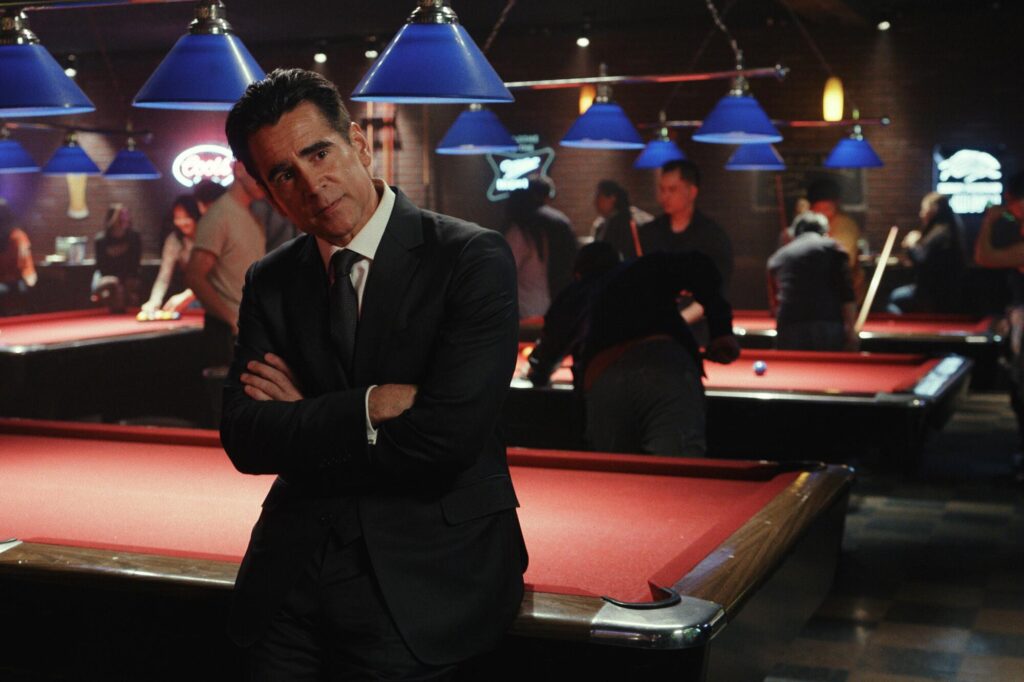
The greatest relief of Sugar Season 2 is that the cat is finally out of the bag. By shedding the heavy narrative burden of protecting John Sugar’s shocking sci-fi origin twist, the series is finally given room to breathe. Instead of spending precious time playing cryptic games with the audience, the sophomore season anchors itself firmly within a focused, deeply compelling core detective story.
What makes these new episodes thrive is the show’s unwavering commitment to its old-school roots. The beautifully spliced references to classic Hollywood cinema are more than just aesthetic flair; they serve as the emotional compass for a modern-day neo-noir.
More than anything, Season 2 succeeds because it doubles down on the inherent decency of John Sugar’s personality. In a television landscape obsessed with cynical antiheroes, Sugar remains a beacon of positive values, empathy, and genuine kindness. Remarkably, the show completely avoids cheap jump scares, graphic violence, or exploitative sex to spice up its narrative. It trusts its script, its atmosphere, and its characters, proving that true suspense is built on quiet restraint rather than shallow shock value.
Central to that achievement is Colin Farrell’s excellent portrayal of John Sugar. Farrell brings to the role a rare combination of dashing charm, old-world sophistication, and emotional openness, creating a hero who is elegant without being remote and compassionate without seeming naive. His performance allows Sugar’s vulnerability and sensitivity to sit naturally alongside his confidence and moral clarity, giving the character a depth seldom seen in contemporary screen heroes.
Equally satisfying is the way the season brings its central story to a proper and emotionally earned close. The core mystery is not left dangling or treated merely as a stepping stone for future instalments; instead, it receives the closure it deserves. As an added bonus, the final act allows a secondary plot to move boldly into the foreground, introducing a fresh set of twists that reframes the wider story and leaves viewers eager to see where the series will go next.
Sugar stands as an example of television at its creative best: stylish, intelligent, humane, and confident enough to trust atmosphere, character, and storytelling over easy sensationalism. It is the kind of series that reminds viewers how rewarding television can be when it dares to be elegant, sincere, and original. One only wishes more shows would follow its example.