SECRET AGENT (2025) – A Visually Captivating but Hollow Adventure Through 1970s Brazil
Rating: ⭐ 1/2
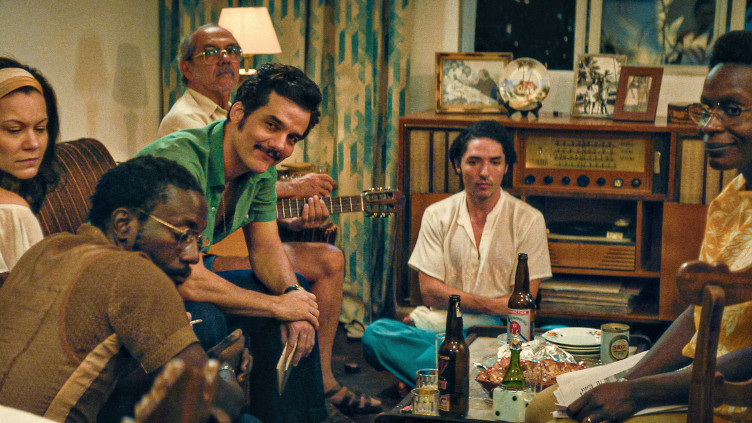
As awards season rolls around, cinephiles are greeted with a wave of art house films and Oscar hopefuls, each vying for the coveted title of Best Picture. Among these contenders, one film that has generated significant buzz is Secret Agent, a Brazilian drama set against the tumultuous backdrop of the 1970s. The story centers on a former professor named Amando, who is forced to go on the run, escaping the oppressive grasp of the authoritarian regime of that era.
From the moment Secret Agent begins, I was immediately drawn in by its striking and innovative cinematography. The camera work is both unique and refreshing, lending an authenticity to each setting that immerses the viewer in the world of 1970s Brazil. Every scene is meticulously crafted, so much so that each frame feels like it could stand alone as a piece of art, telling its own story visually. The richness and detail in the visuals are nothing short of stunning, making the film a true feast for the eyes.
However, despite the film’s visual brilliance, I found myself grappling with the narrative from early on. The protagonist, Amando, portrayed by Wagna Moura, remains enigmatic and difficult to fully understand. Whether it was my own struggle with keeping up with the subtitled dialogue or the film’s deliberate ambiguity, I never quite grasped the central thread of the plot. This disconnect made it challenging for me to relate to the characters or become truly invested in their journeys, which I consider a significant drawback for any film.
Another aspect that dampened my experience was the director’s tendency to linger on scenes that seemed tangential or irrelevant to the main story. Dialogue often felt excessive, with conversations dragging on without clear purpose or connection to the overarching narrative. While this may be a stylistic choice reflective of Brazilian cinema, I personally found it taxing, as it required considerable effort to piece together meaning, often with little payoff in terms of advancing the story. Too many characters. Too much dialouge. Too confusing.
Ultimately, Secret Agent stands out as a visually spectacular film that offers audiences a rare and intimate glimpse into Brazil—a country not often seen through the lens of international cinema. Yet, its shortcomings in storytelling leave the overall experience feeling somewhat hollow. I find myself, once again, at odds with the accolades and praise heaped upon it by critics, left wondering if I missed some deeper resonance that others so readily embraced.